
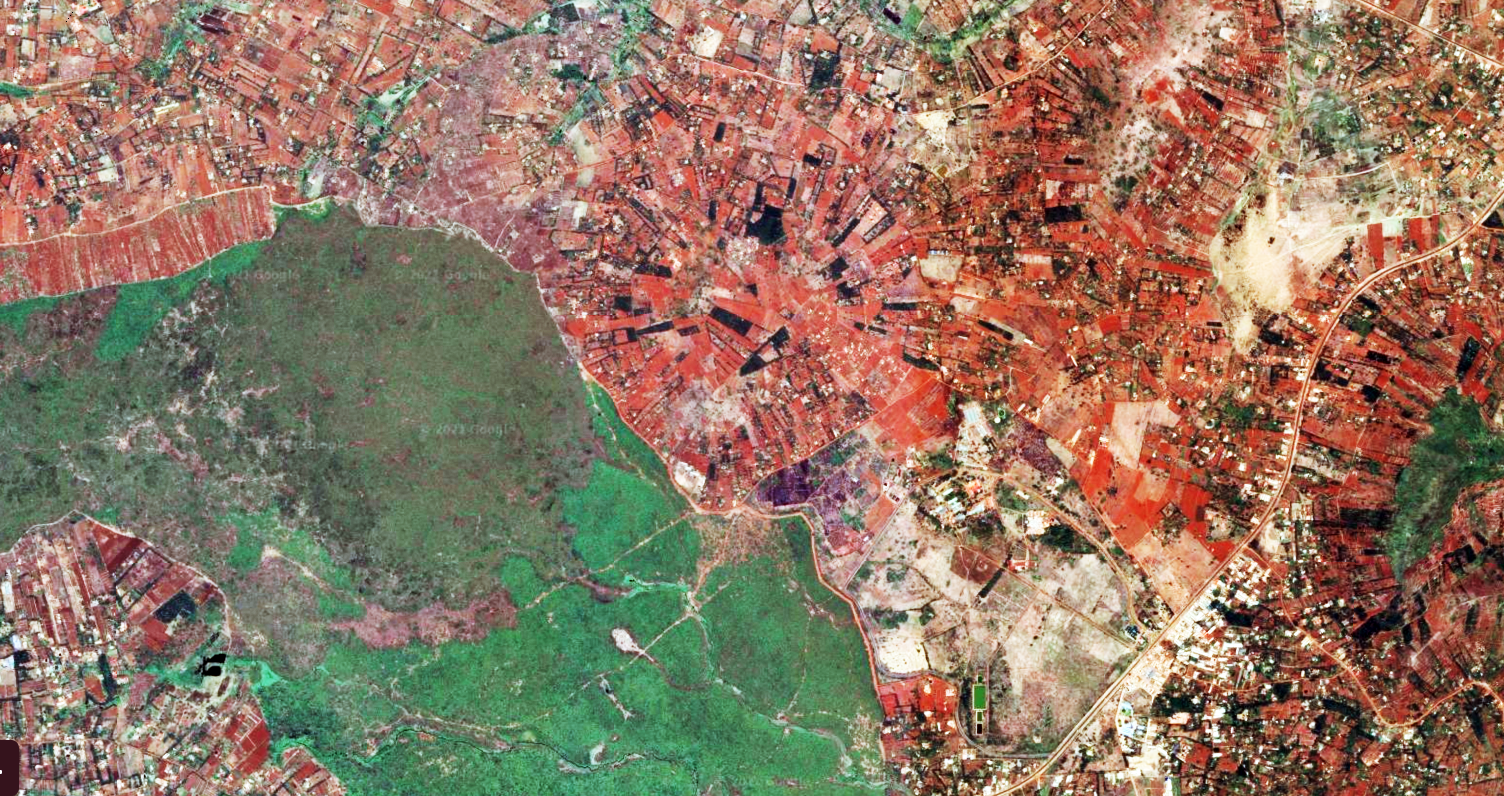
KENYA – Ongoing project since April,2020
What we aim?
The mission of the project is to establish a fruit garden that will be a model for CO2 compensation and reducing soil exploitation due to the progressing drought episodes through training and engagement of the local community.

Current situation
Agriculture is one of the most critical production sectors in Kenya and gives 27% of gross domestic product (GDP), employs more than 40% of people from industrial areas and 70% from rural. Proper agricultural techniques and efficient transportation of goods are crucial in reducing food insecurity, especially in times when climate change has been noticeable significantly. In fact about 83% of Kenya is classified as arid and semi-arid lands, with almost 30% of the country’s population, which could estimate around 14 million people. Meru county has been facing changes: rising population, unsustainable agriculture, progressing deforestation longer drought episodes affect the economy. Most of farmers have struggled with expensive fertilizers and improving water management which caused the lower quality of product. According to report of World Food Program, there are 83 tons of produce grown in Kenya is rejected as being aesthetically imperfect for export and locals are pushed out by importers offering lowers price which for country mainly depended on food production is harmful. Improving sustainable agriculture and education in Meru region are the actions taken by our project. The community in Nchiru village uses firewood and charcoal as the main source of fuel. This is obtained by felling trees from their homesteads and Lower Imenti forest that borders the Meru University area. Continuous logging of wood from the forest and homestead for firewood and charcoal has led to severe deforestation which in turn has reduced the amount of rainfall received in the region. As a result the farmers have been experiencing low yields of the agricultural produce.
What can we do?
Continuous tree planting will protect remaining forests in the area. We have chosen fruit trees which can grow in tough conditions, which thanks to long roots can extract minerals and water for the soil and are resistant to both, drought and wet weather. Moreover, they give nutritious rich food, really important really important in times of food shortage. Encouraging local communities to join our project is crucial for the future in the entire area.

Fruit trees
To achieve all these tasks, we need your help! So don’t hesitate to be a part of us to make our world a better place!
